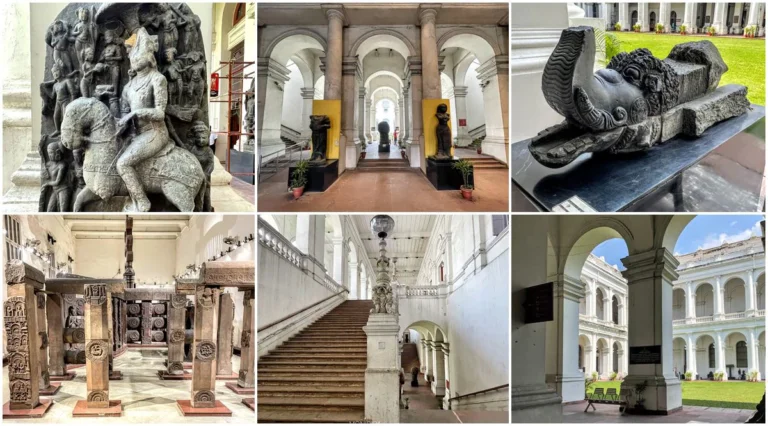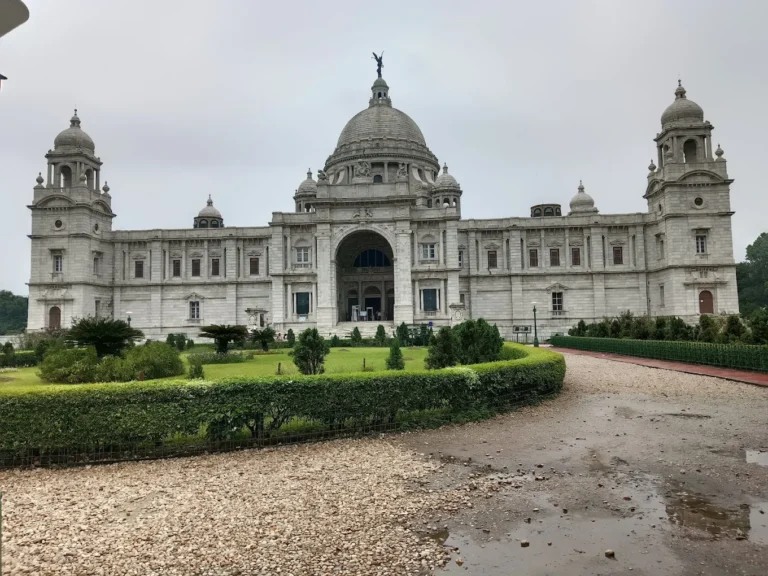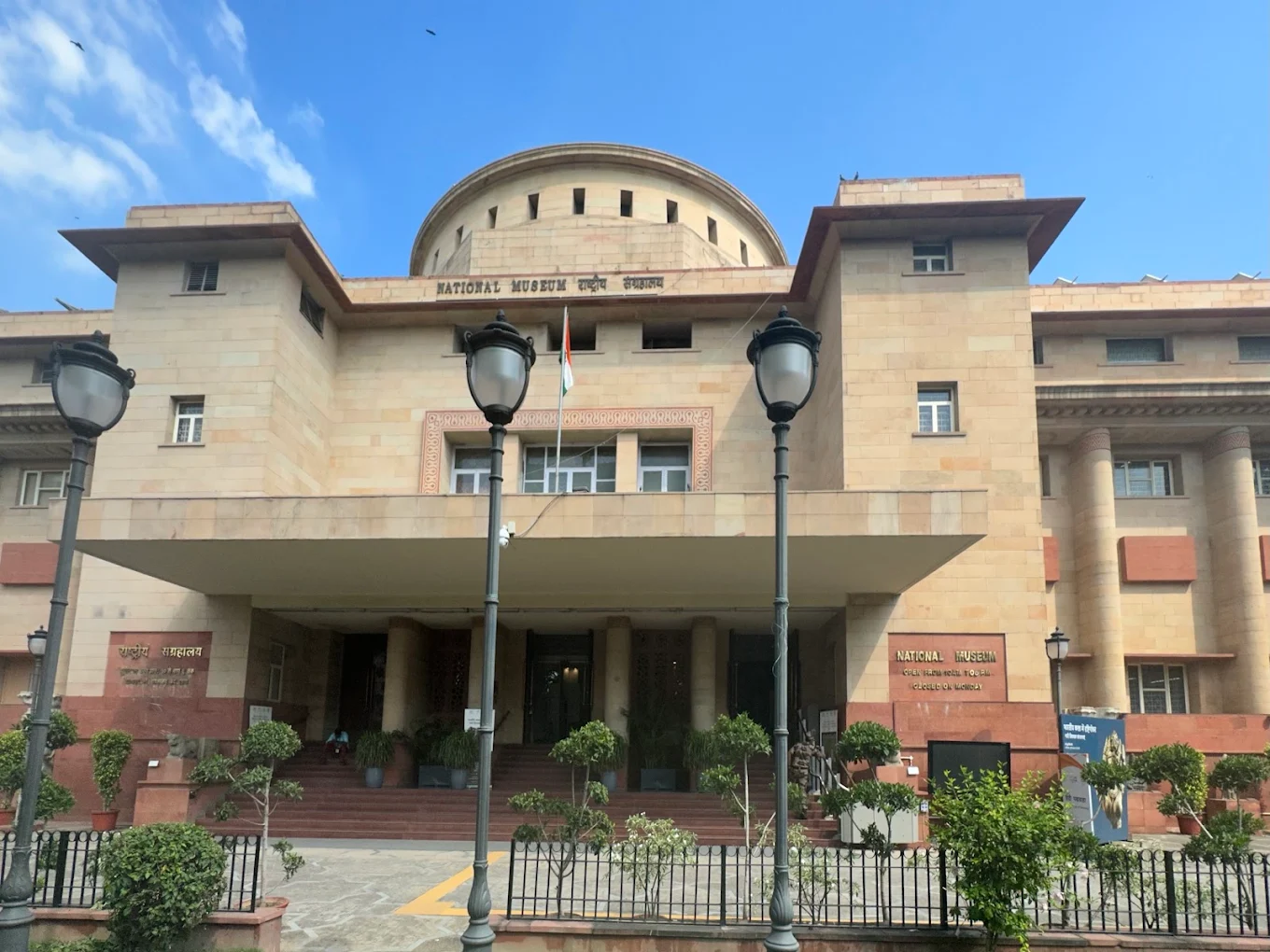
India is a land of stories, traditions, and civilizations that stretch back thousands of years. For anyone seeking to understand this incredible journey, the National Museum in New Delhi is the ultimate destination. Located on Janpath, right in the heart of the capital, the museum is not just a building filled with artifacts — it is a living encyclopedia of India’s cultural heritage. In this blog, we’ll take you through its history, highlights, visitor tips, and why it deserves a spot on your travel list.
A Brief History of the National Museum
The National Museum was inaugurated in 1949 at Rashtrapati Bhavan before moving to its permanent home on Janpath in 1960. Its vision was clear: to preserve and showcase India’s civilizational memory. Today, it houses more than 200,000 works of art spanning 5,000 years, from prehistoric artifacts to modern masterpieces. The museum is managed by the Ministry of Culture, Government of India, and continues to expand its collections through research, conservation, and international collaborations.
Must‑See Galleries and Collections
Walking through the museum feels like stepping into different eras of Indian history. Some of the most captivating galleries include:
- Harappan Gallery: Seals, pottery, jewelry, and tools from the Indus Valley Civilization.
- Buddhist Art Gallery: Sacred relics of Buddha and stunning sculptures that trace the spread of Buddhism.
- Central Asian Antiquities: Manuscripts, textiles, and artifacts collected by Sir Aurel Stein, connecting India to the Silk Road.
- Miniature Paintings Gallery: Mughal, Rajput, and Deccan schools of art, each painting a story of royal courts and everyday life.
- Bronze Gallery: Exquisite Chola bronzes that highlight South Indian craftsmanship.
Each gallery is a world in itself, offering insights into India’s diverse traditions and artistic achievements.
Why the National Museum Matters
The museum is more than a tourist attraction. It plays a vital role in research, conservation, and cultural exchange. Its conservation laboratory ensures that priceless artifacts are preserved for future generations. It also hosts international exhibitions, academic seminars, and workshops, making it a hub for scholars and students. For everyday visitors, it offers guided tours, audio guides, and interactive exhibits that make history engaging and accessible.
Visitor Information
- Timings: Tuesday – Sunday, 10:00 AM – 6:00 PM (Closed Mondays & National Holidays)
- Entry Fee: ₹20 for Indian citizens, ₹500 for foreign nationals, free for students up to Class 12 with valid ID
- Best Time to Visit: October to March, when Delhi’s weather is pleasant
- Average Visit Duration: 2–3 hours
Facilities include free WiFi, parking, wheelchair access, a cafeteria, and a souvenir shop. Photography is allowed in most sections, though flash is discouraged.
Location and Nearby Attractions
Situated on Janpath, the museum is easily accessible by metro (Central Secretariat station). Its central location makes it perfect for a cultural day out. Nearby attractions include:
- India Gate
- Rashtrapati Bhavan
- Connaught Place
- National Gallery of Modern Art
Visitors can combine their museum trip with shopping, dining, and sightseeing in Delhi’s vibrant heritage zone.
Insider Tips for Visitors
- Arrive early to avoid crowds.
- Book tickets online for convenience.
- Don’t miss the Buddhist relics and Harappan seals.
- Carry a notebook if you’re a student or researcher — the museum is a goldmine of information.
- Plan at least half a day to explore thoroughly.
Conclusion
The National Museum, New Delhi, is not just a place to see artifacts — it is a journey through India’s timeless heritage. Whether you’re a tourist, student, or history buff, the museum offers something unique for everyone. Its blend of accessibility, affordability, and cultural richness makes it one of the most important museums in India. So next time you’re in Delhi, make sure to step into this treasure trove and walk through centuries of history under one roof.