History of Museums in India

A journey through time exploring the evolution of museums in India from colonial era to modern times.

The Beginning

The history of museums in India dates back to the colonial period. The concept of museums as public institutions for preserving and displaying cultural heritage was introduced during British rule, though India has a much older tradition of collecting and preserving artifacts in temples, palaces, and private collections.

The establishment of museums in India marked a significant shift in how cultural heritage was preserved, studied, and made accessible to the public. From humble beginnings, Indian museums have evolved into world-class institutions that showcase the country’s rich and diverse cultural legacy.

Timeline of Major Milestones

1814
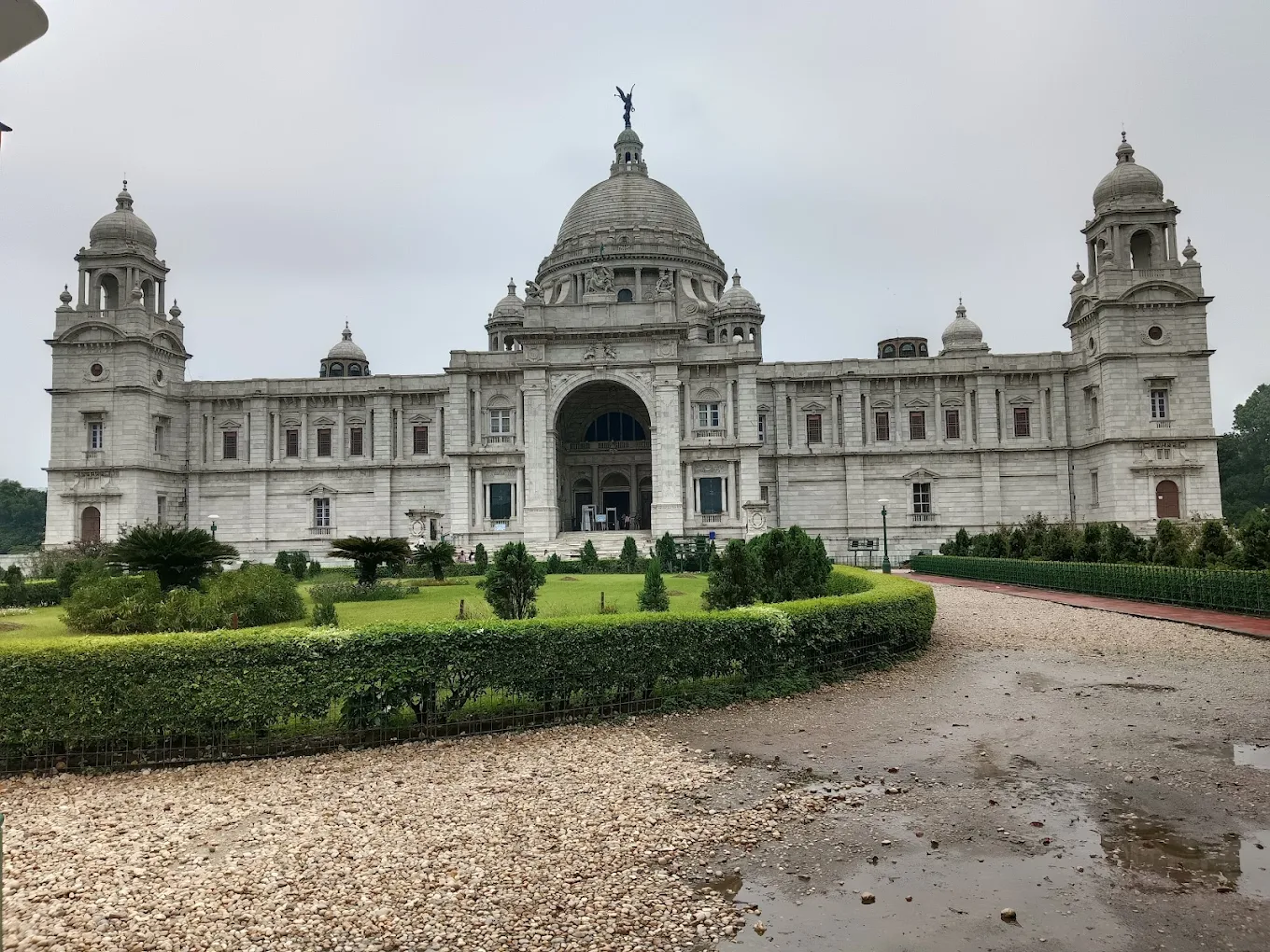
Indian Museum Kolkata

The Indian Museum, Kolkata

Established as the Imperial Museum, it became India’s first and oldest museum. Founded by the Asiatic Society of Bengal, it initially focused on archaeology, art, and natural history.

1851
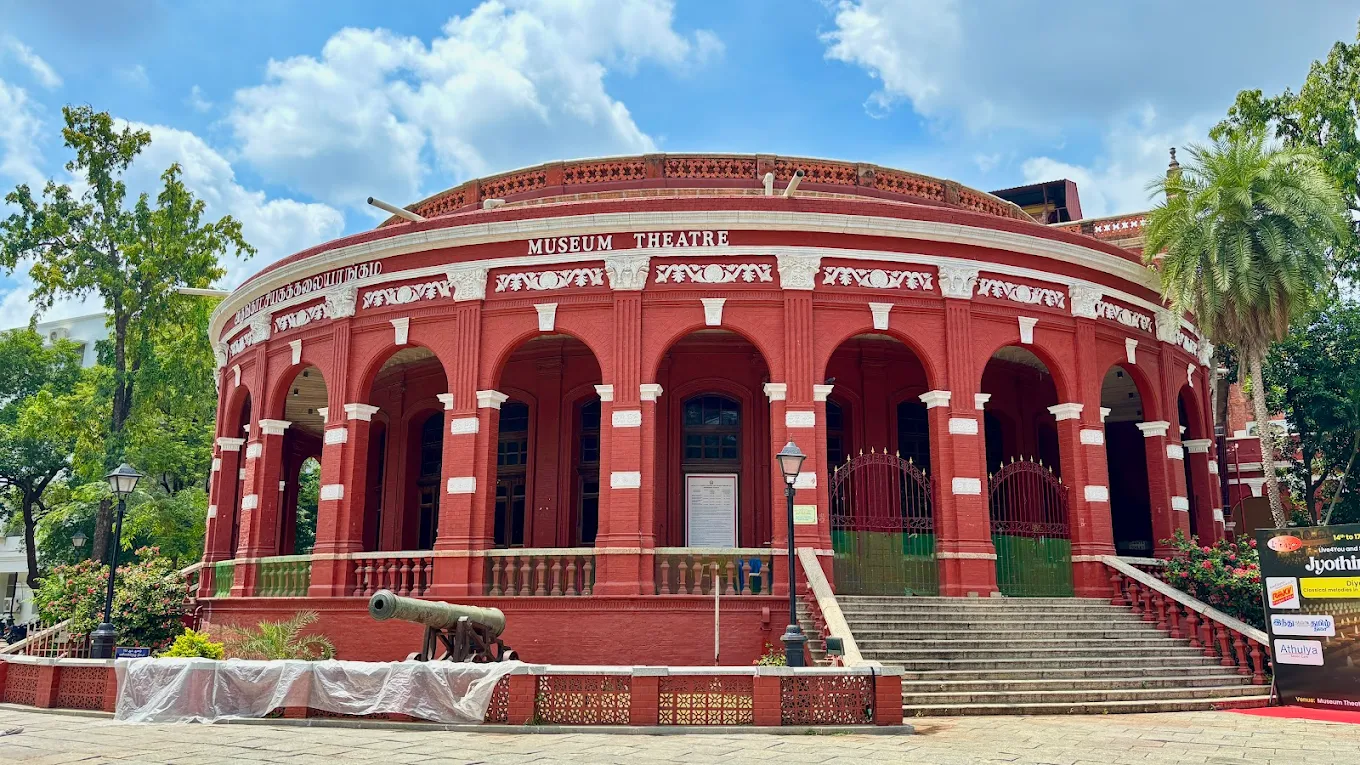
Government Museum Chennai Egmore

Government Museum, Chennai

The second oldest museum in India was established, housing an impressive collection of Roman antiquities and South Indian bronzes.

1855
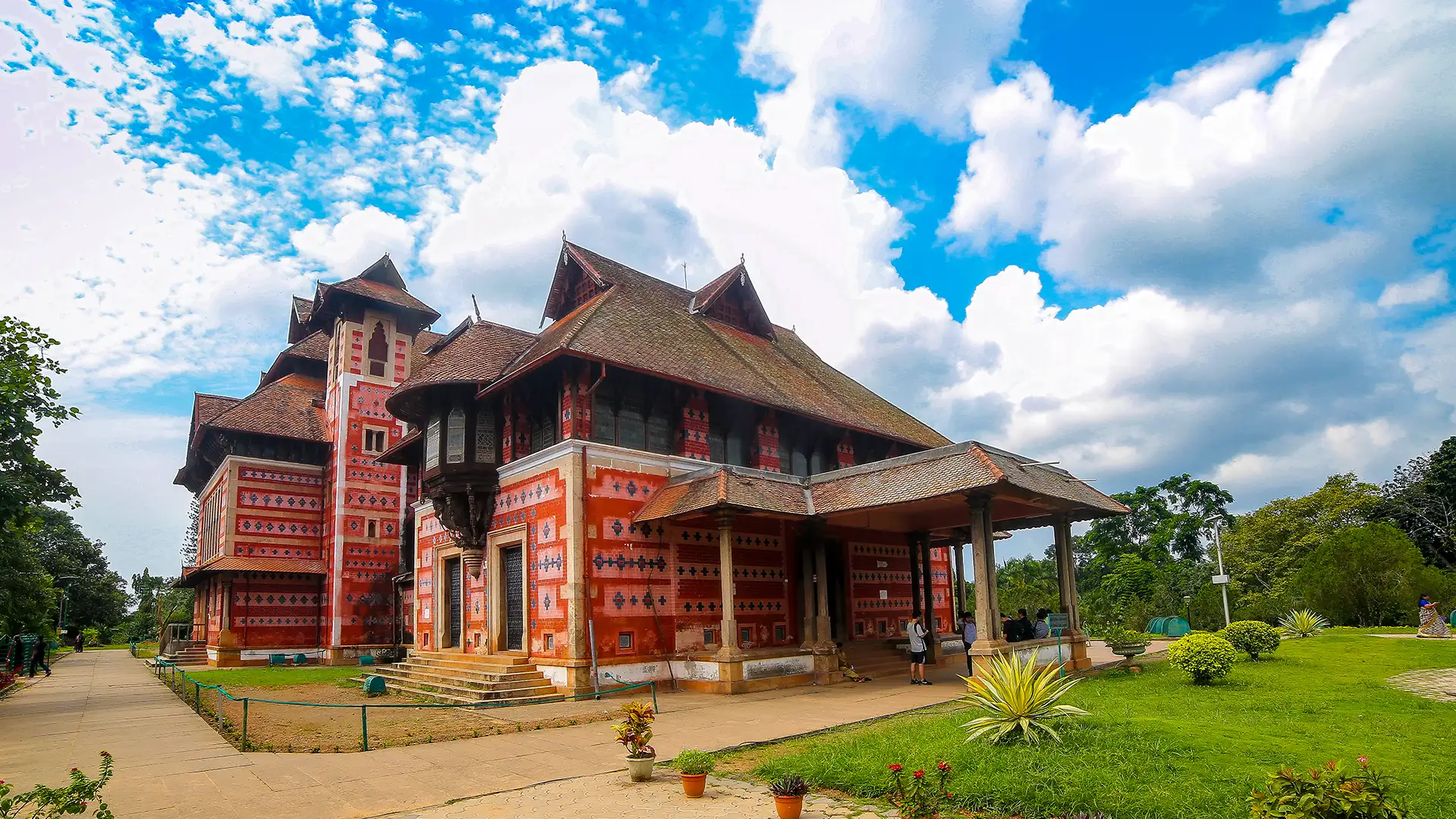
Napier Museum Thiruvananthapuram

Napier Museum, Thiruvananthapuram

Known for its unique Indo-Saracenic architecture and natural air conditioning system, representing a blend of Indian and European architectural styles.

1922
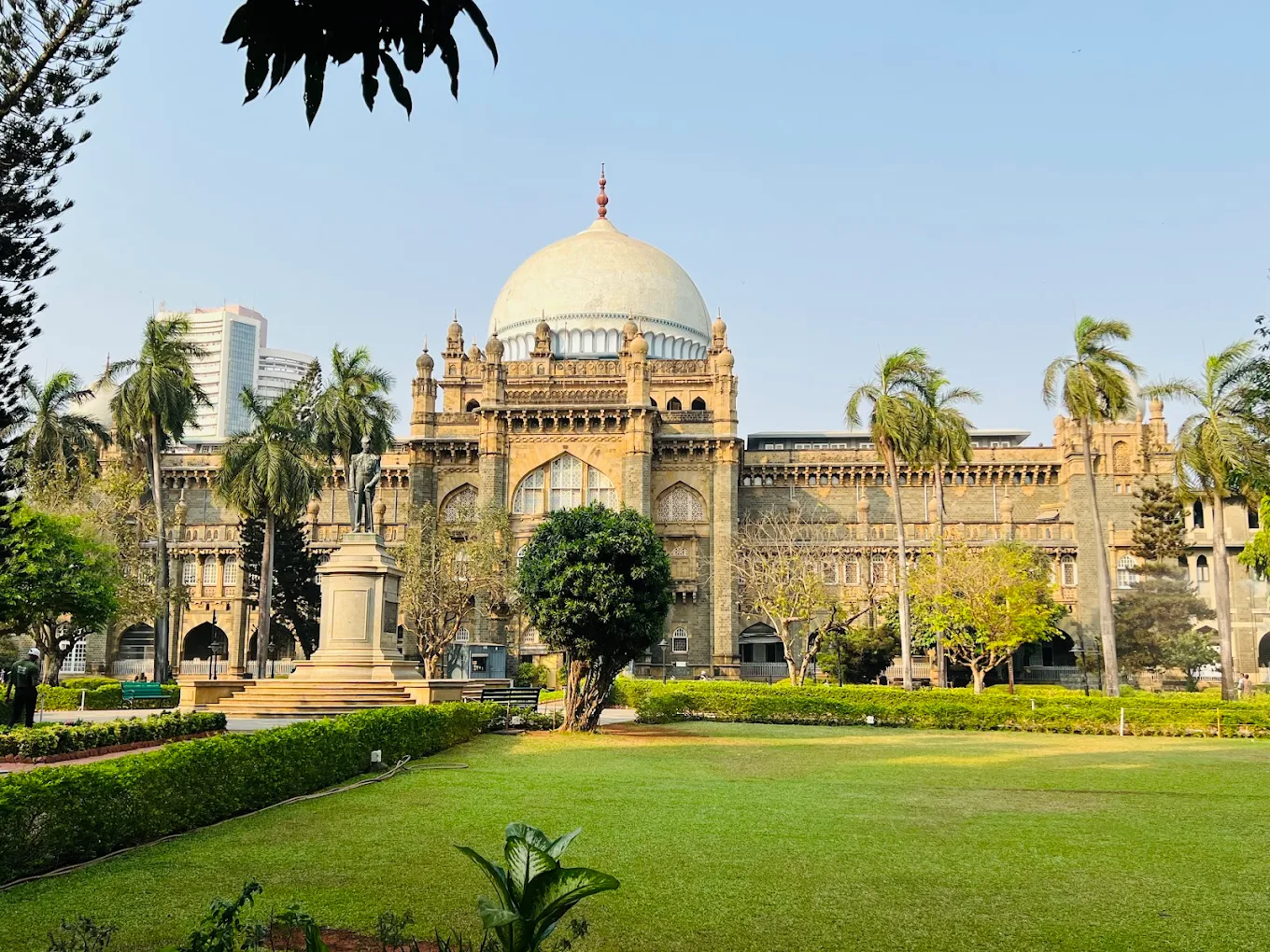
Chhatrapati Shivaji Maharaj Vastu Sangrahalaya (CSMVS) Mumbai

Prince of Wales Museum, Mumbai

Now known as Chhatrapati Shivaji Maharaj Vastu Sangrahalaya, it was established to commemorate the visit of the Prince of Wales to India.

1949
National Museum Delhi

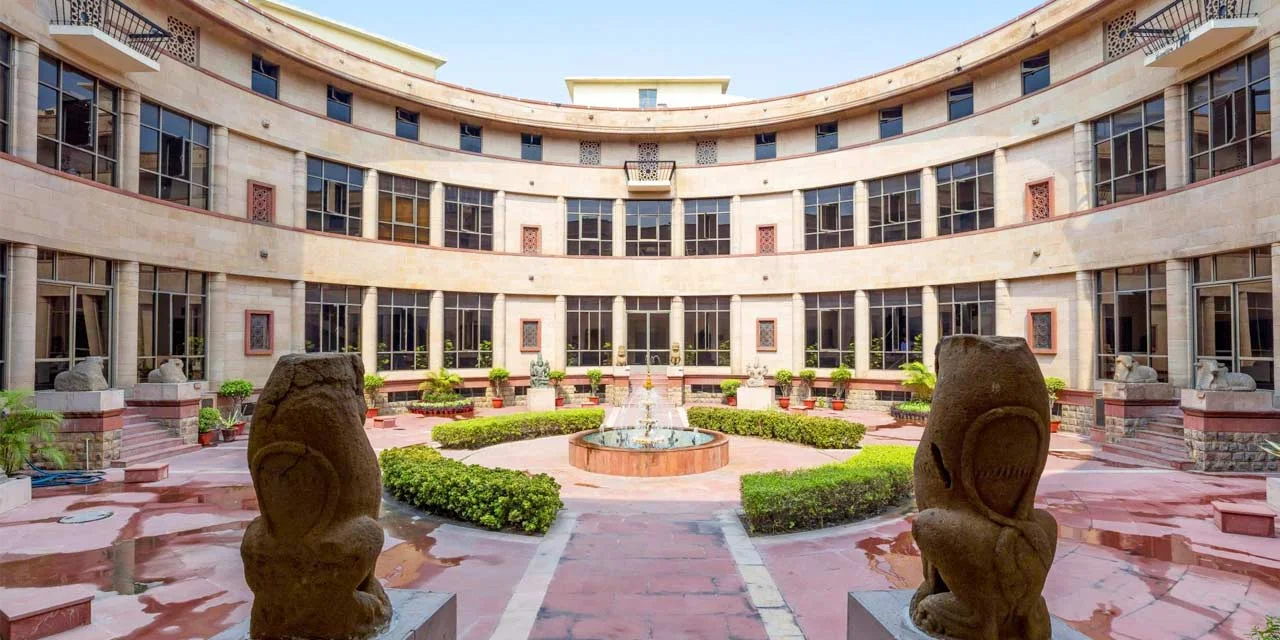
National Museum, New Delhi

Established as India’s premier cultural institution, housing over 200,000 works of art spanning 5,000 years of Indian cultural heritage.

1954
National Gallery of Modern Art Delhi

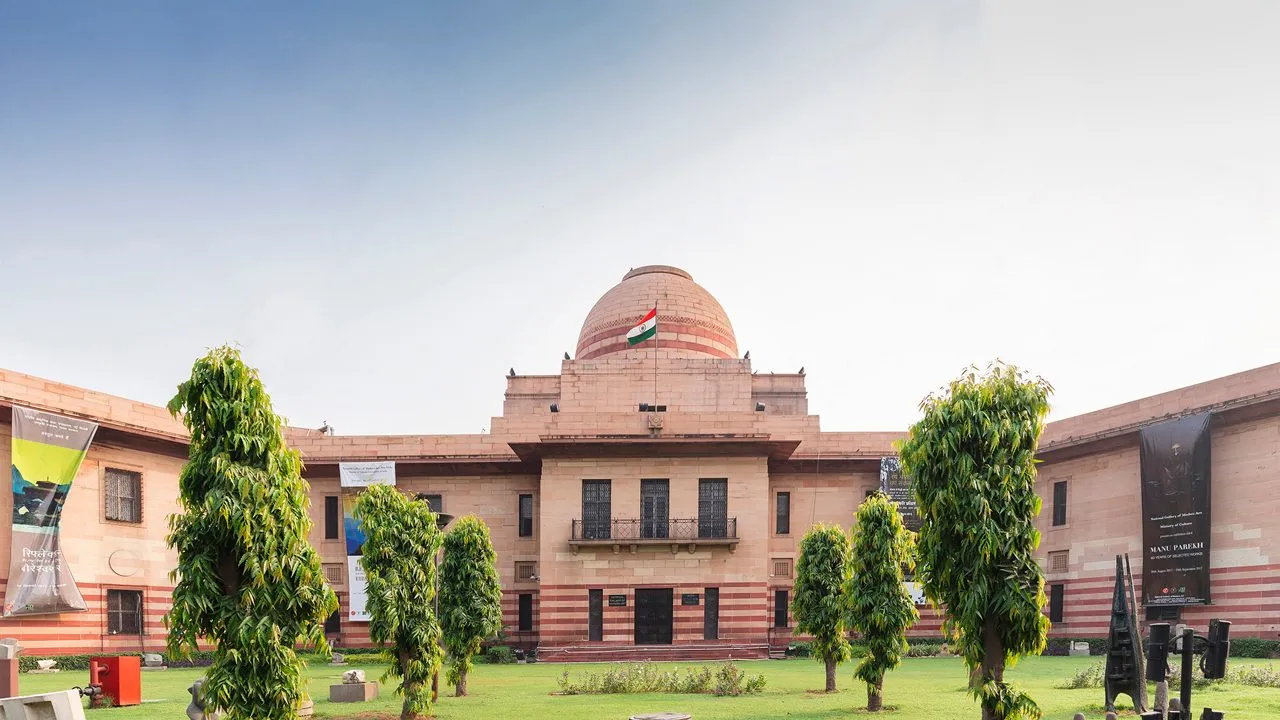
National Gallery of Modern Art

Dedicated exclusively to modern and contemporary Indian art, marking a shift towards celebrating living artists and recent artistic movements.

2000s
Digital Revolution In Museums

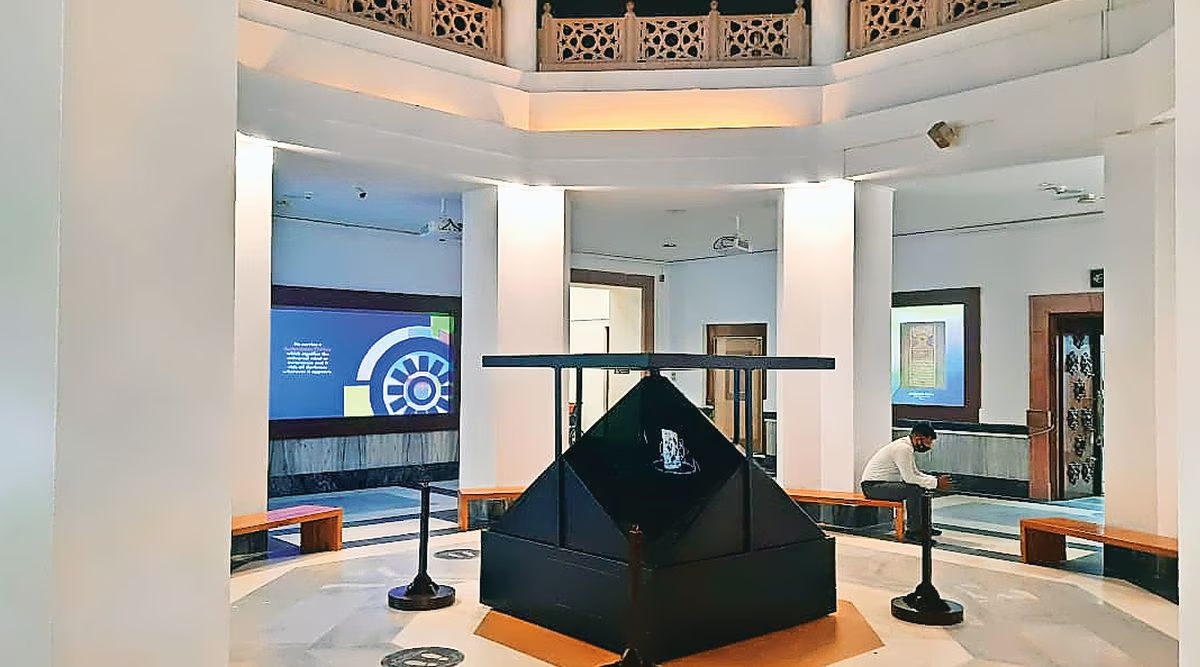
Digital Revolution

Museums began digitizing collections, creating virtual tours, and establishing online databases, making Indian cultural heritage accessible globally.

Evolution of Museum Types

Colonial Period (1814-1947)

Early museums were primarily established by the British administration and focused on archaeology, natural history, and ethnography. They served both educational and colonial purposes, documenting India’s heritage while asserting colonial authority.

Post-Independence Era (1947-1980s)

After independence, museums became instruments of nation-building. New institutions were established to preserve and celebrate India’s diverse cultural heritage. Specialized museums focusing on specific aspects like textiles, crafts, tribal culture, and science emerged.

Modern Period (1990s-Present)

Contemporary museums embrace interactive displays, digital technology, and visitor engagement. Private museums, corporate galleries, and niche institutions have proliferated. Museums now focus on education, research, and serving as community spaces.

Today's Museum Landscape

India currently has over 1,000 museums spread across the country, managed by central and state governments, private trusts, and educational institutions. These museums preserve everything from ancient artifacts to contemporary art, from scientific instruments to railway heritage.

The digitization of museum collections has made Indian heritage accessible to global audiences. Virtual tours, online exhibitions, and digital archives have democratized access to cultural knowledge.

As India moves forward, museums continue to play a crucial role in education, cultural preservation, tourism, and national identity. They serve as bridges between past and present, connecting millions of visitors with their rich cultural heritage.